

Wedding Venue Marketing: Are You Showing Up at Every Stage of the Couple’s Search?
Beautiful photography, an active Instagram account and a great-looking website can all play an important role in wedding venue marketing, but getting a couple to notice your venue is only one part of the job.
As a bride-to-be myself, I've seen this journey from the other side too. Finding a venue wasn't one neat search followed by an enquiry. It involved Google searches, venue websites, directories, social media, reviews and comparing different options before deciding which venues we actually wanted to see. From a marketing perspective, it highlighted just how many opportunities there are for a venue to influence that decision before a couple ever books a viewing.
All of those interactions can form part of the same decision. So rather than thinking about SEO, social media, your website or Google Ads as completely separate activities, it can be more useful to think about the journey your couples are taking. Where are they looking, what do they need at each stage, and is your marketing there to support them?
Stage 1: What’s out there?
At the beginning of their search, a couple might not know your wedding venue exists. They may not even know exactly what they're looking for yet, which means the first job of your marketing is simply to help the right people discover you.
There are plenty of ways that can happen. Someone might search Google for ‘wedding venues in Staffordshire’, browse venues on a wedding directory, spot a venue tagged in a photographer's Instagram post or come across a Reel showing a ceremony set-up they love.
This is where visibility matters. SEO can help your venue appear for relevant Google searches, while Google Ads can put you in front of people actively looking for somewhere to get married. Wedding directories give couples another way to browse and compare their options, while platforms such as Instagram and Pinterest can introduce your venue through more visual, inspiration led content.
That doesn't mean every wedding venue needs to invest equally in every marketing channel. A better place to start is by asking, ‘if somebody doesn't already know your venue exists, where are they likely to discover it?’.
Understanding that gives you a much stronger starting point for your wedding venue marketing strategy than simply deciding you need to post more on Instagram or invest in SEO because that's what other venues are doing.
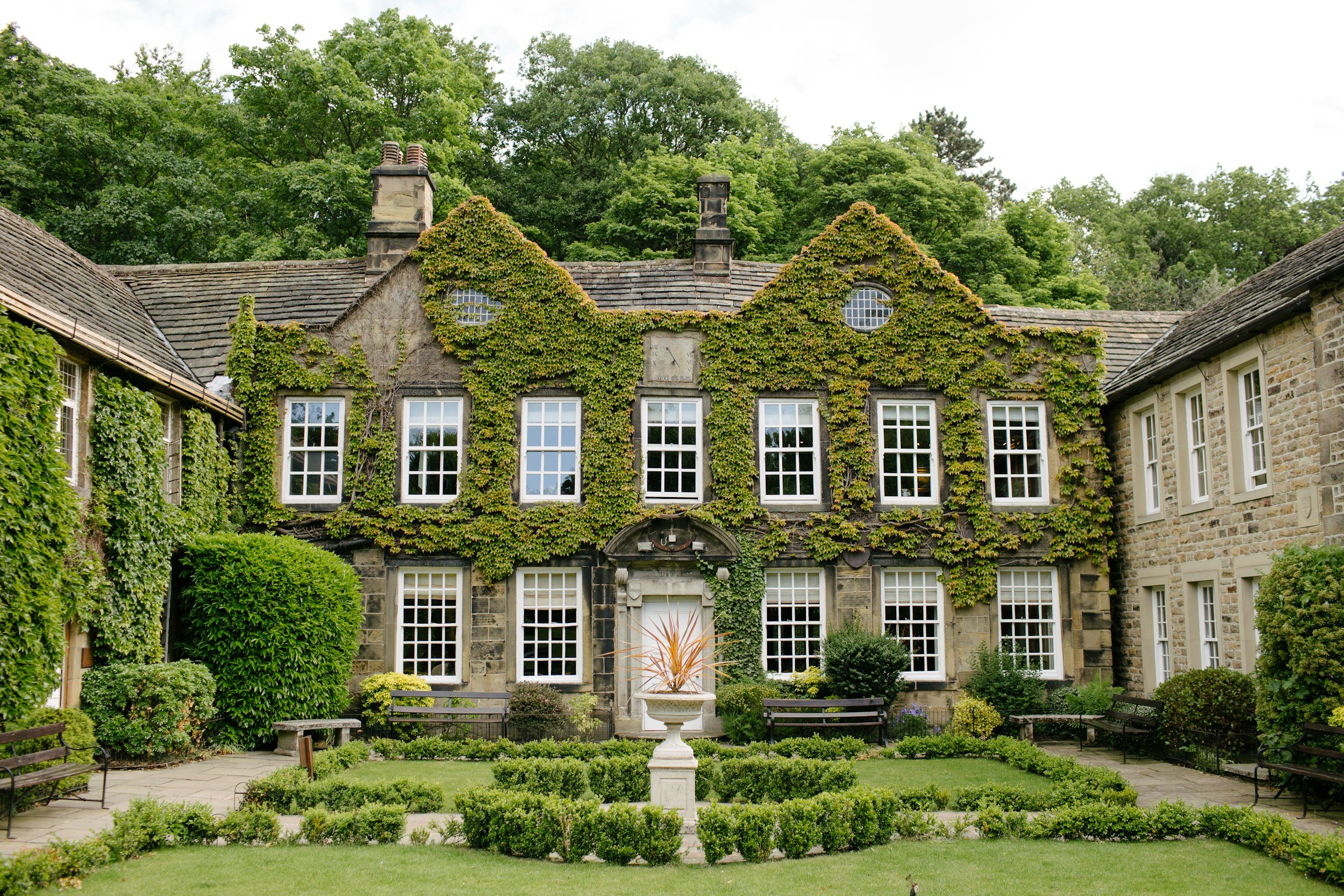
Stage 2: What kind of wedding venue are we actually looking for?
Once couples have started exploring their options, their search often becomes more specific. They're no longer necessarily looking for any wedding venue within a particular area; they're beginning to work out what their wedding might actually look like and which venues fit that vision.
That could mean looking specifically for an exclusive-use venue, a barn wedding venue, somewhere with onsite accommodation or a venue that offers outdoor ceremonies. Guest numbers, style, location and budget can all narrow the search further.
This is something that becomes clear when looking at the current search landscape for wedding venues in Staffordshire. Search results and wedding directories don't simply organise venues by location; couples can also narrow their options using characteristics such as venue style, capacity, accommodation, exclusivity and price.
From a marketing perspective, that's important because the things that make your venue different aren't just selling points, they can also be ways people search for you.
If your venue offers exclusive use, for example, that information doesn't necessarily want to be buried halfway down a general weddings page. It could influence the copy on your website, the content you create, your search optimisation and the information included across your Google Business Profile and wedding directory listings.
The same applies to accommodation, outdoor ceremonies, intimate weddings and other features that genuinely influence why somebody might choose your venue. Understanding what your ideal couples are looking for, and how they're describing it when they search, can therefore be much more useful than simply trying to rank for the broadest ‘wedding venue’ keyword you can find.
Stage 3: Could this venue actually work for us?
Once a couple has discovered your venue and decided they like what they see, the practical questions start. Can they afford it? Will it accommodate their guest list? Can guests stay overnight? Is it exclusive use? Can they hold their ceremony outside? What's included in the price, and is their preferred date available?
A couple needs enough information to work out whether your venue is a realistic option before they can decide whether it's worth taking the next step.
While looking at wedding venues across Staffordshire, I found quite a difference in how much information couples can access before making an enquiry. Some venues publish detailed pricing or downloadable pricing guides, while others provide package information, guest capacities and clear details about what's included. Some allow couples to check availability or provide extensive information about accommodation and ceremony options.
Wedding directories can also display information such as indicative pricing, capacity, accommodation and venue features directly within their listings. For a venue, that's a useful part of the discovery process; couples can understand whether it might suit them before they've even reached the venue's website.
Once they do visit the website, though, they'll often be looking for more. This is where the venue has an opportunity to answer the questions that matter, provide greater detail and give couples a reason to take the next step.
That doesn't mean every detail needs to sit on your homepage, or that every venue needs to publish a complete price list online. There are perfectly valid reasons for approaching pricing and enquiries differently. What matters is considering how much information someone needs before they're willing to take the next step.
If a couple can't work out whether a venue is remotely within budget, whether it can accommodate 120 guests or whether there's anywhere for their family to stay, they might not enquire to find out. They may simply continue their search.

Stage 4: Can we picture ourselves getting married here?
By this point, a couple might know that your venue meets their practical requirements, but choosing a wedding venue isn't a purely practical decision. They also need to be able to picture themselves getting married there.
This is where the visual side of wedding venue marketing becomes particularly valuable. Professional photography is important, but couples may also want to see how the venue looks when it's actually being used. What does a ceremony with 60 guests look like compared with one with 120? How have different couples styled the same room? What does the venue look like in November rather than June? And what happens when an outdoor ceremony has to move inside because the weather doesn't cooperate?
Real weddings, video, social media content, photographer galleries and user-generated content can help answer those questions in a way that a list of venue features can't. Reviews add another layer of reassurance by showing couples what previous weddings were actually like, from the experience of working with the venue team to the food, organisation and how smoothly the day itself ran.
At this stage, you're no longer just giving couples information. You're helping them imagine their wedding there.
Stage 5: Shall we go and see it?
Eventually, all of that research and consideration needs to turn into action, but that action doesn't necessarily have to be a generic ‘Contact Us’ form.
Depending on how your venue operates, someone might be ready to check whether their preferred date is available, download a brochure, request detailed pricing, register for an open day or book a viewing. Making those options clear can reduce the friction between “we really like this place” and “let's go and see it.”
It's worth looking at this journey from each of your marketing channels too. If someone lands on a wedding page from Google, is it obvious what they should do next? If an Instagram Reel gets somebody interested in the venue, does your profile make it easy to find your website and the information they need? If a couple discovers you through a wedding directory, are the details there accurate and is it easy to continue their research?
Your marketing has already done a lot of work to get someone to this point. The final step shouldn't be the difficult bit.
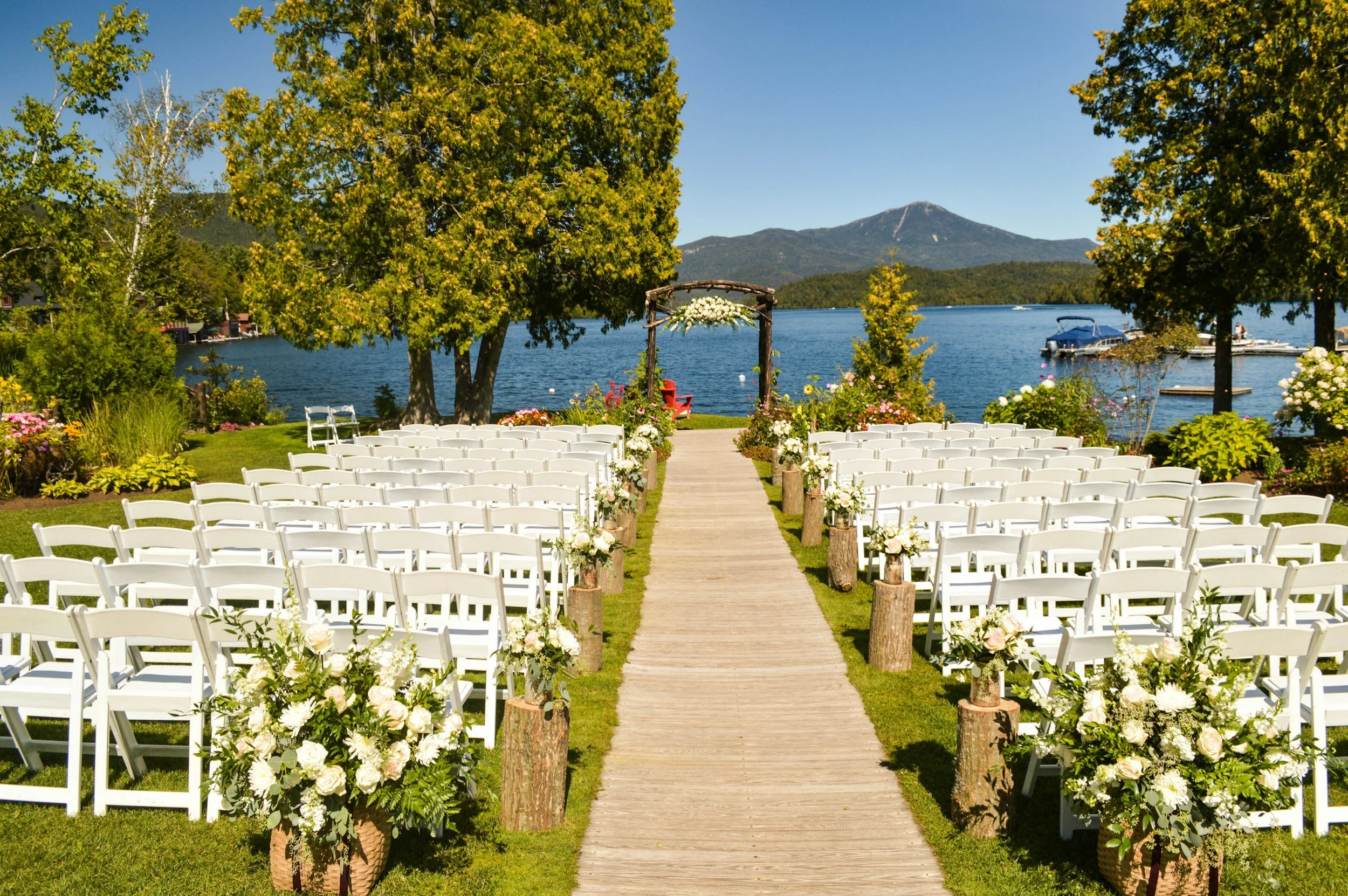
Stage 6: We love it… but we're not ready yet
Not every interested couple is going to make an enquiry straight away. They might still be discussing their budget, finalising their guest list, waiting to visit another venue or checking possible dates with family. They may simply not feel ready to make such a big decision yet.
That doesn't necessarily mean your marketing hasn't worked. Someone could continue following your venue on Instagram and see another real wedding a few weeks later, receive an email about an upcoming open day or come across one of your adverts again while researching something else. A photographer might publish a wedding at your venue that brings them back to your website, or a recent review might give them the reassurance they need to finally arrange a viewing.
This is why staying visible during the consideration period can be valuable. Social media, email marketing, remarketing, open days, reviews and a steady stream of useful or inspiring content can all keep your venue familiar while a couple is making their decision.
None of those individual interactions necessarily generates an immediate booking, but that doesn't mean they haven't contributed to one. Wedding venue marketing can involve multiple touchpoints over a relatively long decision making period, so judging every channel solely on the number of immediate enquiries it generates doesn't always tell the whole story.
Bringing your wedding venue marketing together
It's easy to approach marketing by channel and ask whether you should be doing more SEO, posting more often, running Google Ads or investing in another wedding directory. Those can all be useful questions, but I'd start one step earlier:
How do your couples actually find and choose their wedding venue, and where does your marketing need to support that journey?
You might discover that plenty of couples already find your venue, but your website isn't giving them enough information to take the next step. Perhaps your website converts well, but not enough new couples are discovering it. Maybe Instagram plays an important role in helping people picture their wedding at your venue, while Google captures them later when they're actively researching their shortlist. Or perhaps you're generating plenty of enquiries, but too many come from couples whose requirements don't match what you offer.
Looking at the whole journey helps you identify where the real opportunity lies rather than assuming the answer is simply more marketing.
A good wedding venue marketing strategy shouldn't be a collection of disconnected channels. Each part should have a role to play in helping the right couples move from discovering your venue to seriously considering it.
The goal isn't simply to make more couples aware of your venue. It's to give the right couples enough reasons, and enough information, to put it on their shortlist.
Could your wedding venue marketing be working harder?
If you're not sure how well your marketing supports your customers from first discovering your business through to making an enquiry, I can help you look at the bigger picture and identify where there may be opportunities to improve. Get in touch to see how I can help today.